
Table of Contents
Introduction: Why Skipping Meals Does Not Help in Weight Loss
These days, the most common advice for weight loss is to maintain a calorie deficit. While this is correct, many people misunderstand the concept. They think eating very little or skipping meals will speed up fat loss. Yet many still ask, “I eat very little and sometimes skip meals, but my weight is not reducing. Why?”
This confusion leads us to an important question: Why Skipping Meals Does Not Help in Weight Loss, even when it seems like you are consuming fewer calories?
The answer lies in how the body reacts to irregular food intake and perceived scarcity.
Understanding the Body’s Survival Response
To understand Why Skipping Meals Does Not Help in Weight Loss, let’s look at a simple example.
Imagine that water normally comes to your home regularly. One day, there is no water supply at all. What will you do the next day when the water returns?
Naturally, you will store extra water — filling three or four buckets and keeping them aside — just in case the supply stops again.
The human body works in a very similar way. When you skip meals, the body interprets it as a shortage of energy. Instead of burning calories freely, it shifts into a survival mode.
What Happens Inside the Body When You Skip Meals
When meals are skipped, several changes occur internally. This is the main reason Why Skipping Meals Does Not Help in Weight Loss.
- Metabolism slows down
The body reduces energy expenditure to conserve fuel. - Energy preservation increases
Instead of burning calories, the body tries to save them. - Fat storage increases
When you finally eat, the body converts the incoming energy into fat first, storing it as a reserve. - Hunger and cravings rise
Long gaps between meals increase appetite, leading to overeating later.
This survival mechanism makes the body more efficient at storing fat rather than losing it.
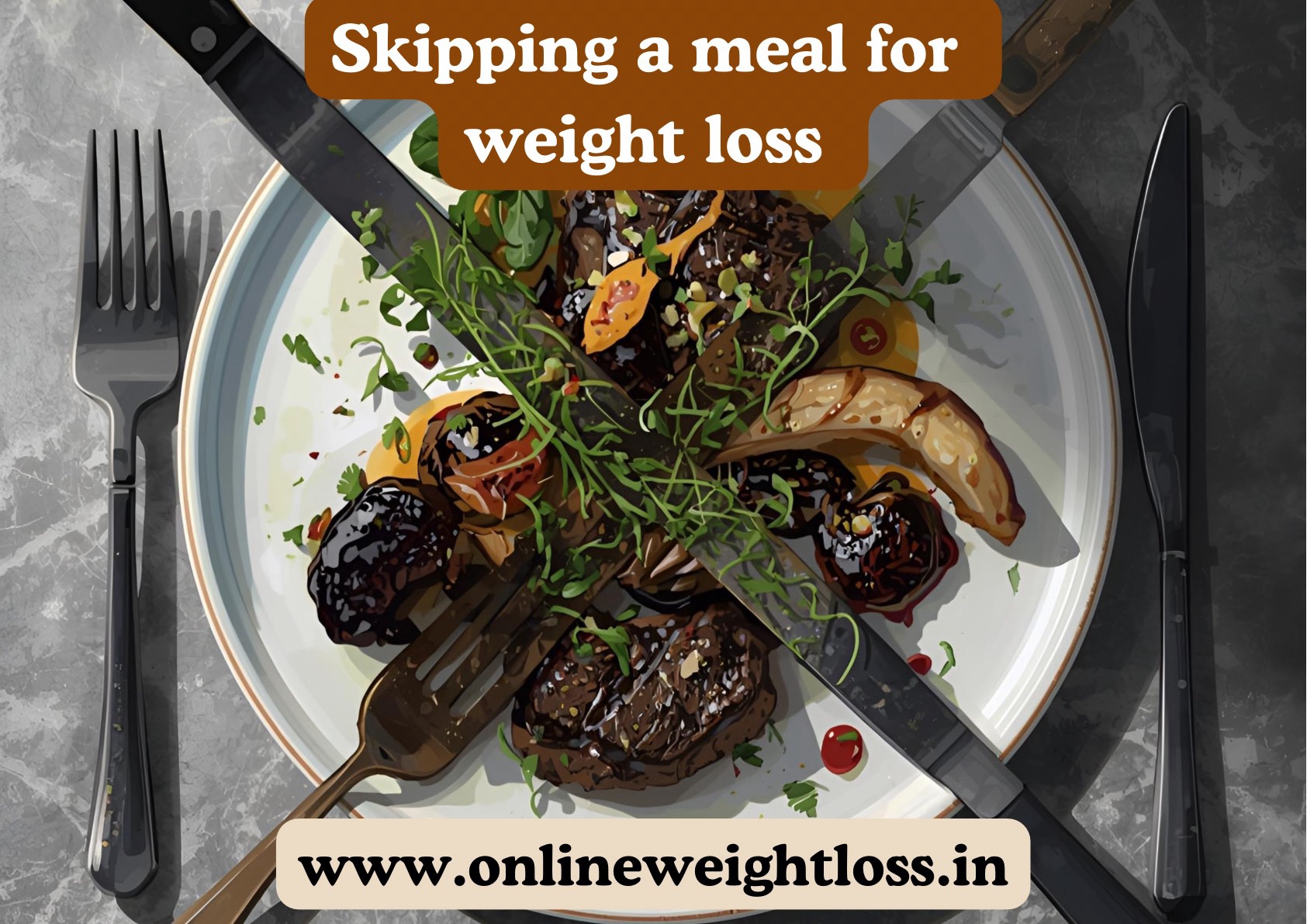
The Hidden Problem: Fat Storage Instead of Fat Burning
Many people believe that skipping meals automatically creates a calorie deficit. But the body does not work only on simple arithmetic. It reacts based on survival signals.
When you skip meals regularly:
- The body expects future shortages
- It stores more energy whenever food becomes available
- Fat loss becomes slower or stops completely
This explains clearly Why Skipping Meals Does Not Help in Weight Loss, even when total food intake seems low.
Balanced Eating vs Starvation
Weight loss is not about eating as little as possible. It is about creating a healthy and sustainable calorie deficit.
Real fat loss happens when:
- All three meals are consumed regularly
- Meals are balanced with proper nutrition
- Calorie intake is controlled, but not excessively restricted
- Metabolism remains active and stable
Regular meals signal safety to the body. When the body feels secure, it is more willing to burn stored fat instead of conserving it.
The Craving Cycle Caused by Skipping Meals
Another important reason Why Skipping Meals Does Not Help in Weight Loss is the effect on hunger control.
When meals are skipped:
- Blood sugar levels fluctuate
- Energy drops suddenly
- Cravings for high-calorie foods increase
- Portion sizes become larger later in the day
This cycle often leads to consuming more calories than planned, making weight loss even more difficult.
The Right Approach to Calorie Deficit
Instead of skipping meals, the better strategy is:
- Eat three regular meals
- Maintain portion control
- Balance carbohydrates, proteins and fiber
- Avoid long gaps between meals
This approach keeps metabolism active and supports steady fat loss without triggering the body’s survival response.
Understanding this principle helps answer the core question: Why Skipping Meals Does Not Help in Weight Loss — because the body needs consistency, not deprivation.
Conclusion: Balance Works Better Than Starvation
So, Why Skipping Meals Does Not Help in Weight Loss?
Because meal skipping slows metabolism, increases fat storage and leads to stronger hunger and cravings.
Real and sustainable weight loss happens when the body receives regular, balanced nutrition while maintaining a moderate calorie deficit.
“Your body needs balance, not starvation.”
When you focus on consistency instead of extreme restriction, weight loss becomes healthier, more stable and long-lasting.
Related Resources
Learn more about side effects of skipping meal from Harvard Health Publishing – “4 intermittent fasting side effects to watch out for”
Read our blog “Why Eating Too Little Does Not Lead to Weight Loss” to understand how extreme calorie restriction slows metabolism and stops fat loss.
For Detailed Weight Loss Guidance, Read Our Complete Guide to Healthy Weight Loss.


Hi, this is a comment.
To get started with moderating, editing, and deleting comments, please visit the Comments screen in the dashboard.
Commenter avatars come from Gravatar.