
Table of Contents
Introduction: Understanding the Difference Between Exercise and Exertion
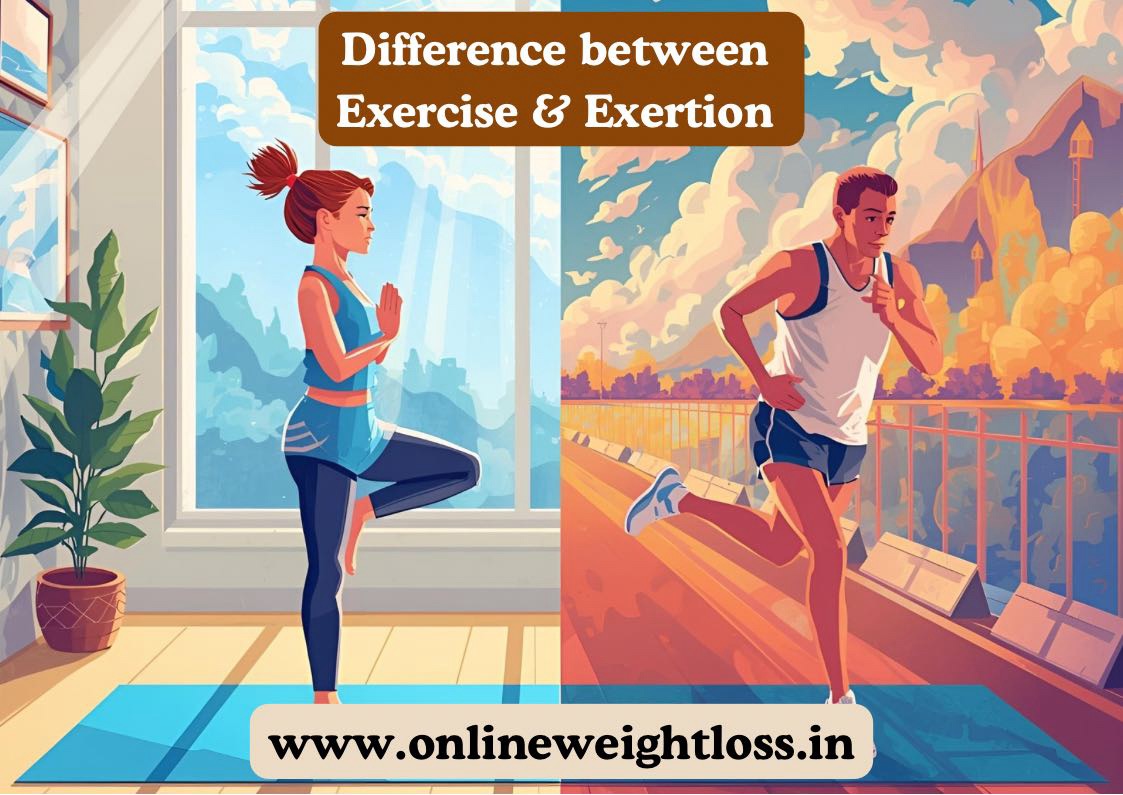
Most people think “more effort” always means better results, but that’s not true. Understanding the difference between exercise and exertion is crucial if you want to stay healthy, energized and injury-free. Exercise is a structured activity that strengthens your body, while exertion happens when you push beyond your body’s recovery limit.
In today’s fast-paced fitness culture, it’s easy to confuse dedication with overdoing. Let’s explore what truly separates exercise from exertion — and why this difference matters more than you might think.
What Exactly Is Exercise?
Exercise is one of the key pillars of a healthy lifestyle. It keeps your body flexible, strengthens muscles, improves blood circulation, enhances stamina and supports emotional well-being.
The right exercise routine makes you feel active, confident and mentally sharp. It promotes a positive energy flow that carries throughout your day.
When done correctly, exercise helps maintain a healthy body weight, reduces stress and improves overall longevity.
But to experience all these benefits, it’s essential to understand the difference between exercise and exertion — because once you cross that fine line, the same activity can start harming instead of helping.
When Exercise Turns Into Exertion
So, what happens when you cross the line from exercise into exertion?
If you work out with the sole intention of burning calories or losing weight as fast as possible, your workout may turn into overexertion.
You’ll notice signs such as:
- Feeling excessively tired after exercising
- Losing motivation to do anything afterward
- Continuing to exercise without genuine interest or enjoyment
These are clear indicators that you’re pushing your body too hard. Understanding this difference between exercise and exertion helps you train smarter, not harder.
“Exercise should energize you, not exhaust you.”
The Science Behind Exercise and Exertion
Exercise promotes growth; exertion triggers breakdown.
During moderate exercise, your body repairs and strengthens tissues through controlled stress and recovery. But when you overexert, recovery becomes incomplete, leading to fatigue, muscle loss and even damage to joints or veins.
A study by the Mayo Clinic confirms that excessive, unstructured workouts can lead to chronic fatigue and injury rather than long-term health benefits. (Mayo Clinic – Overtraining: How to Recognize and Prevent It)
This proves that the difference between exercise and exertion lies not just in effort, but in balance. Exercise strengthens; exertion drains.
Signs You’re Exercising Right vs. Overexerting
| Healthy Exercise | Overexertion |
|---|---|
| You feel energized after workouts | You feel drained or dizzy |
| You sleep better at night | You struggle with fatigue and restlessness |
| Muscles feel stronger | Joints and veins feel sore or inflamed |
| You stay consistent | You lose motivation or dread workouts |
| You recover well | You face burnout or recurring pain |
If your routine looks more like the right column, it’s time to reassess your goals and training style. Knowing the difference between exercise and exertion helps prevent burnout and injury while keeping motivation alive.
How to Maintain the Right Balance
To maintain balance and make the most of your workouts, follow these practical tips:
- Set realistic goals. Gradual progress is more sustainable than overnight transformations.
- Prioritize rest and recovery. Give muscles time to rebuild.
- Stay hydrated and nourished. A healthy diet supports energy and repair.
- Listen to your body. Persistent pain or exhaustion means it’s time to pause.
- Enjoy the process. The right routine should make you feel happy, not pressured.
These steps keep you on the right side of the difference between exercise and exertion — ensuring your fitness journey remains safe and fulfilling.
Conclusion: Exercise to Energize, Not Exhaust
The difference between exercise and exertion defines whether your fitness journey strengthens or strains you. Exercise is about balance, rhythm and joy; exertion is about pushing past what your body can handle.
If your workouts leave you constantly fatigued or uninspired, you’re likely exerting instead of exercising. Remember, fitness is not about punishment — it’s about progress and self-care.
“Exercise should energize you, not exhaust you.”
Choose moderation, consistency, and enjoyment — that’s the real key to lifelong health and fitness.
Related Resources
Check out Mayo Clinic’s expert guide — What are some signs of overtraining? — to better understand how to avoid crossing into exertion.
Read our article What Is the Role of Exercise in Weight Loss to learn how workouts fit into the broader picture of metabolism and overall fat loss.
For Detailed Weight Loss Guidance, Read Our Complete Guide to Healthy Weight Loss.