Table of Contents
Introduction: The Common Fear Holding People Back
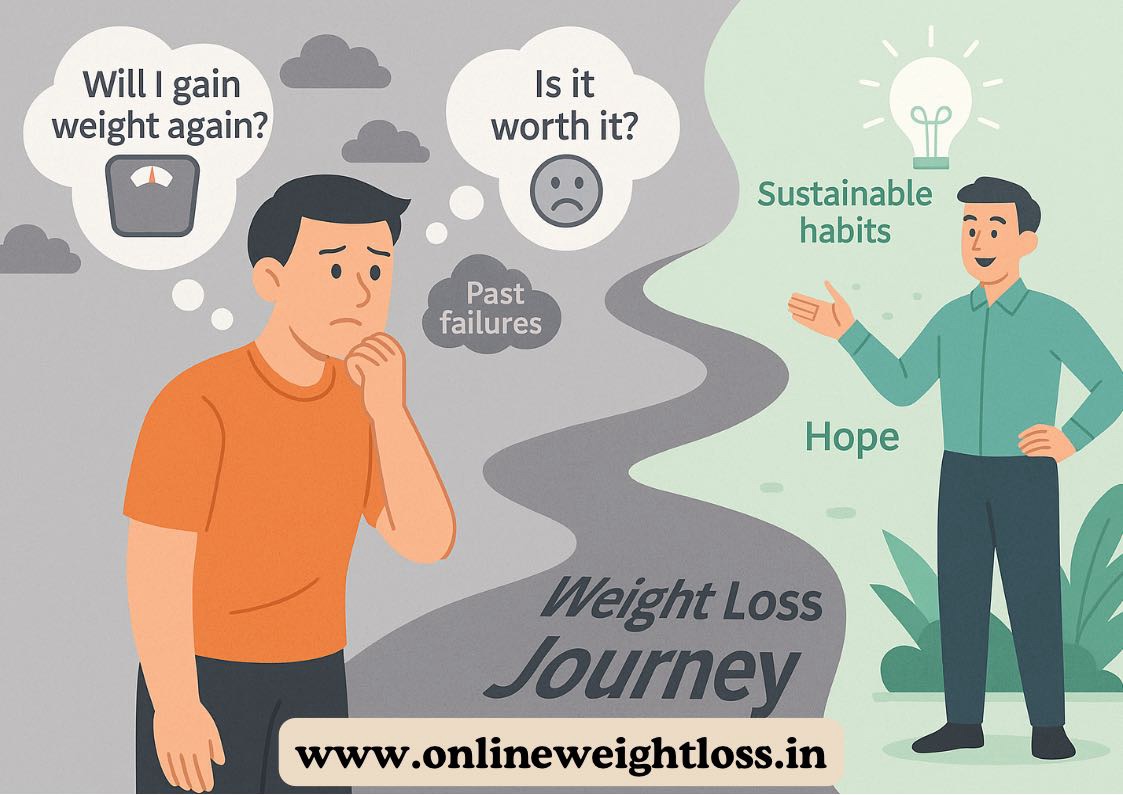
Many people want to lose weight, but they hesitate when it comes to committing to a structured plan. The real question some ask is: “Why people are afraid to start a weight loss program?” A common thought among them is — “If I leave the program, I’ll gain the weight back.” This fear isn’t baseless. Without proper education and a sustainable strategy, many people who succeed in losing weight eventually end up regaining it.
In this article, we explore the underlying reasons behind this fear. We’ll show why simply losing weight isn’t enough — learning long-term weight management is what truly matters. Understanding these reasons can help you overcome hesitation and choose a program that supports not just weight loss, but lasting wellness.
Why Many Fail to See Long-Term Success
One reason why people are afraid to start a weight loss program is because they’ve seen — or heard — stories of yo-yo dieting. Individuals join a program, lose a few kilos, then quit. Without stable habits or a proper follow-up plan, old habits — or worse — new habits creep in. The result? Regained weight, lost confidence and broken trust.
Because of such frequent failures, many worry that no program can offer lasting results. They fear investing time, energy and money only to end up where they started (or even worse). This repeated disappointment builds scepticism around weight loss programs as a whole.
Over-Reliance on Single Methods — Diets, Supplements or Workouts
Another main reason why people are afraid to start a weight loss program is the misconception that a single method — whether keto, crash diet, gym workouts or supplements — will do the trick. Many programs promote quick-fix solutions or extreme changes. People often have conflicting experiences — a friend may swear by keto, another may praise high-intensity workouts.
But when you use any single approach without learning proper weight management, results tend to be short-lived. Once the novelty wears off or the diet ends, old eating habits return. This fragmented method creates instability — and this uncertainty deters many from even trying a structured program.
Lack of Post-Program Support and Education
What scares people most is not just losing weight — it’s maintaining it. Many programs focus solely on short-term weight loss. They don’t teach you how to manage your metabolism, eating habits or lifestyle after the program ends. This lack of education is a major reason why people are afraid to start a weight loss program.
Without ongoing support or a habit-forming process, most revert to their old patterns. That leads to rebound weight gain, frustration and a sense that weight management is impossible. People think, “Why start when it’s all bound to fail?”
Why a Coach or Guided Program Can Make the Difference
If you’re wondering why people are afraid to start a weight loss program, consider this — the right program isn’t just about losing kilos; it’s about building a lifestyle. What transforms weight loss into sustainable health is guidance: a coach or mentor who understands your personal needs, tracks your progress and helps you build habits.
A well-structured program with genuine mentorship ensures that after weight loss, you know how to manage your new weight. You learn how to eat, move and live in a way that supports lasting results. And knowing this makes starting a program less scary — because you’re not just signing up for a diet or workout plan, but a long-term transformation.
How to Overcome the Fear and Start Confidently
Here’s how you can overcome the hesitation of why people are afraid to start a weight loss program and choose wisely:
- Look for long-term vision, not quick fixes. Focus on programs that teach you sustainable habits, not crash diets.
- Check for education + follow-up support. A good program should have meal planning, lifestyle coaching and follow-up sessions.
- Avoid promises that sound too good to be true. Real transformation takes time and patience.
- Know that relapse doesn’t mean failure. If you slip, get back on track — that’s part of long-term success.
- Treat weight management as a skill, not a destination. Learning how to live right after weight loss is more important than how fast you lose weight.
When you approach a weight loss program with awareness — not desperation — you replace fear with confidence.
Conclusion: Why People Are Afraid — And What You Can Do Differently
So, why people are afraid to start a weight loss program? Because many of them associate weight loss with temporary results, rebound weight gain and false promises. But when a weight loss program isn’t just about shedding kilos but about building sustainable habits, that fear starts to fade.
Remember: weight loss may be temporary, but weight management is a skill. A good coach, proper guidance and realistic expectations shift the focus from short-term success to long-term health.
If you choose wisely, understand what you’re getting into, and commit to sustainable change — you’re not just starting a weight loss program. You’re starting a lifelong transformation.
“Weight loss is temporary; weight management is a skill.”
Now you know not just why people are afraid to start a weight loss program — but how to face that fear and begin your journey with confidence.
Related Resources
For expert insight into why diets often fail despite weight-loss efforts, see this article from Ntional Institute of Health — Anticipated barriers and enablers to signing up for a weight management program.
For guidance on choosing a lasting plan, read our article How to Choose a Right Weight Loss Program — it explains four essential criteria that distinguish a sustainable program from a quick fad.
For Detailed Weight Loss Guidance, Read Our Complete Guide to Healthy Weight Loss.


1 thought on “Why People Are Afraid to Start a Weight Loss Program?”
Comments are closed.